

This is a subtitle for your new post

Discover the heart behind Rosie Remembers by Annemarie Deutschmann—a children’s book about memory loss and love—and learn how to publish your own story of faith with Resilience Press.
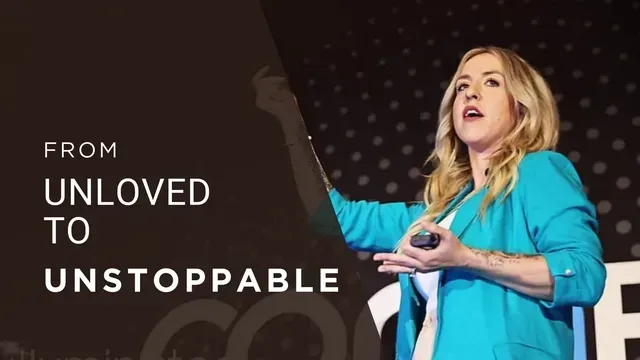
From Unloved to Unstoppable: A Story That Will Shake You, Heal You, and Inspire You

This is a subtitle for your new post

If you’re a CEO, CMO, CFO, or another high-level executive, you’ve likely spent years—if not decades—honing your expertise, making high-stakes decisions, and leading teams through challenges. But have you ever considered that your insights and experiences could be captured in a book that cements your influence, expands your reach, and opens doors you never imagined ? Most executives don’t actively think about writing a book. They assume books are for authors, not leaders. But in reality, a well-positioned book is one of the most powerful assets a C-suite professional can create. Here’s why writing a book is not just a personal milestone—it’s a strategic move that can transform your career, business, and legacy. 1. Your Book is Your Authority-Building Asset In today’s digital-first world, authority matters. Whether you’re looking to establish thought leadership, increase your industry influence, or secure speaking engagements, a book acts as an instant credibility booster . It tells the world: "I am an expert in my field." "I have valuable insights to share." "I am a leader, not just a participant." Executives who publish books often find themselves invited to keynote events, featured in the media, and sought after for consulting opportunities simply because a book positions them as the go-to expert in their space. 2. Stand Out in a Crowded Industry How many professionals in your field have written a book? Chances are, the answer is very few . A book sets you apart in ways that no LinkedIn post, keynote speech, or company blog ever could. It provides a permanent, respected platform that showcases your expertise in a way that feels both authoritative and accessible. In competitive industries, the executives who become authors are the ones who shape the conversation, define trends, and ultimately lead the market . 3. Leverage Your Book for Business Growth A book is not just a credibility tool—it’s also a business multiplier . High-level professionals use books to: ✅ Attract high-value clients and partnerships ✅ Secure advisory board positions ✅ Build personal and corporate brand equity ✅ Open new revenue streams (consulting, speaking, licensing) For example, executives who have published books often report that one speaking engagement or consulting deal pays for the entire cost of writing and publishing —several times over. 4. Future-Proof Your Legacy Every executive eventually faces the question: What will I leave behind? Your book ensures that your insights, leadership philosophies, and business acumen don’t fade when you step away from your role. By writing a book, you create a lasting legacy that influences not just your immediate circle, but also future generations of leaders in your industry . 5. You Don’t Have to Write It Alone The biggest hesitation most executives have is time. "I don’t have time to sit down and write a book." The good news? You don’t have to. With professional publishing support, executives can create a high-quality book through: Ghostwriting & Interview-Based Writing – Provide your insights, and a professional writer turns them into a book. Guided Author Programs – Structured frameworks that make the writing process efficient and manageable. Done-for-You Publishing – Formatting, cover design, and Amazon launch support so your book is positioned for success. You bring the vision , and we handle the execution . Final Thoughts: Your Book is a Business Asset, Not Just a Dream A book is not about being a "writer"—it’s about establishing your authority, influence, and legacy . Whether you’re looking to elevate your leadership profile, create new business opportunities, or leave behind something meaningful , your book is the vehicle to make it happen. So, the question isn’t "Why should I write a book?" The question is "How much opportunity am I leaving on the table by not writing one?" Let’s Talk If you’re an executive, entrepreneur, or industry leader ready to explore how a book can transform your authority and business, let’s have a conversation. I specialize in helping high-level professionals become published authors—without wasting time or getting stuck in the process. 📩 Contact me to discuss!! #ThoughtLeadership #ExecutiveBranding #BookPublishing #AuthorityPositioning #WritePublishImpact