
Let me guess. You've seen the ads. "Become a #1 Best-Selling Author in 30 Days!" "Your Book, Published and Promoted, Guaranteed Results!" Maybe you've even been tempted. And honestly? I don't blame you. You've got a story burning inside you, one that God has walked you through, refined you with, and now whispered to your heart: "It's time to share this." So when someone promises you a shortcut to credibility, it's easy to lean in. But here's what they're not telling you: most of those "best-seller" campaigns are completely bogus. And worse? They reduce your sacred testimony to a marketing gimmick. Your story deserves better than that. Your story deserves stewardship. The Dirty Secret Behind "#1 Best-Seller" Campaigns Let's pull back the curtain for a second. Those flashy "#1 Best-Seller" badges you see splashed across book covers? Many of them are manufactured. Here's how the game works: companies coordinate mass purchases during a tiny window, in an ultra-niche Amazon category, to temporarily spike rankings. Suddenly, your book about overcoming addiction is a "best-seller" in "Books > Religion & Spirituality > Worship & Devotion > Prayerbooks > Christian > Reformed", a category so narrow that a handful of sales makes you number one. For about an hour. Then it's over. The badge stays, but the momentum doesn't. And you're left with a hollow credential that savvy readers and industry professionals see right through. This isn't ethical publishing. It's vanity marketing dressed up in a suit. The real damage? It teaches you to measure your story's worth by sales metrics instead of Kingdom impact. It trains you to chase validation instead of trusting obedience. And it leaves you wondering why the "success" feels so empty. If you're trying to avoid vanity press tactics and find Christian publishing services that actually honor your message, you need to understand the difference between a sales pitch and stewardship. What Is Story Stewardship (And Why Does It Matter)? Here's a question I want you to sit with: Who owns your story? If your first thought was "I do", I gently want to challenge that. Your story isn't just yours. It's the testimony of what God has done. It's evidence of redemption. It's a gift meant to serve someone else who's walking through the valley you've already crossed. That's why I don't call myself a coach. Or a consultant. Or even a "publishing expert." I'm a Story Stewardship Guide. My role isn't to push you toward a finish line or slap a badge on your book. My role is to walk alongside you as you steward a healed story into something that builds the Kingdom, one reader at a time. Story stewardship recognizes that your narrative carries intrinsic value beyond its commercial utility. It's not about constructing a message to drive sales or preempt objections. It's about authentic, earned, reciprocal relationship, with your reader, with your purpose, and with God. When you approach your book as stewardship rather than a transaction, everything shifts: ✅ You stop chasing vanity metrics and start trusting Kingdom fruit ✅ You release the need for validation and rest in obedience ✅ You write from victory, not from wounds ✅ You serve the reader instead of performing for them This is what ethical publishing looks like. And it's the heartbeat of everything we do at Resilience Press. The Redeemed Story Method™: A Framework for Faith-Rooted Authors So how do you actually steward your story well? That's exactly why I developed The Redeemed Story Method™ : a four-step framework built specifically for believers who are ready to transform their testimony into a tool for Kingdom impact. But here's the guardrail I need you to hear first: This method begins after God has done the healing. If your story still feels heavy: if telling it sends you spiraling: you're not at step one yet. And that's okay. Healing isn't a deadline. But trying to publish from an unhealed place isn't stewardship. It's trauma dumping. And your readers (and your soul) deserve more than that. Ready? Let's walk through the 4 R's. 1. RECOGNIZE "This story is no longer about my pain." Recognition is the internal shift. It's the moment you acknowledge that God's redemption has already occurred: that you're no longer defined by what happened to you. You stop identifying as a victim and start seeing your story as assigned, not accidental. Here's how I often say it: "Recognition is when pain stops being personal and starts being purposeful." If the story still feels heavy, you're not here yet. And that's okay. But you can't steward what you haven't released to God first. 2. REFRAME "Truth doesn't require every detail." This is discernment in action. You name what happened without reliving it. You remove the excess details that serve your processing but not your reader. Forgiveness is present. The story is told from victory backward, not pain forward. Here's the truth bomb: "You don't owe the reader your wounds." Reframing is where trauma dumping stops and testimony begins. It's where your story becomes something that serves instead of something that bleeds. 3. RELEASE "This story is not for me anymore." This is where most people get stuck: and honestly, it's where I love to guide authors the most. Release means letting go of control over outcomes. You stop needing validation, apology, or a specific response. You offer the story instead of explaining it. One reader changed is enough. "Release means obedience without attachment." If you still need a reaction, you're not ready to release. And that's worth sitting with before you hit publish. 4. REDEEM "God decides how this story bears fruit." This is the Kingdom-facing posture. Your story points beyond you. Jesus is the Redeemer: you're just the messenger. Impact is measured in lives changed, not books sold. And here's the beautiful part: you get to rest. "Redemption is when the story no longer points back to you." This is where testimony builds the Kingdom. This is where stewardship lives. Why This Matters More Than a Sales Pitch Look, I get it. The publishing industry is loud. Everyone's promising you shortcuts, guaranteed results, and badges that look impressive on Instagram. But here's what I've learned after years of walking alongside faith-rooted authors: the stories that actually change lives aren't the ones with the fanciest marketing. They're the ones written from a place of wholeness, offered with open hands, and trusted to God's timing. When you chase the hype, you end up: ❌ Exhausted from performing ❌ Disappointed by hollow metrics ❌ Disconnected from your original calling When you embrace stewardship, you experience: ✅ Peace in the process ✅ Purpose beyond the page count ✅ Partnership with a God who multiplies loaves and fishes Your story isn't a product to be pitched. It's a testimony to be stewarded. Ready to Steward Your Story? If you've been burned by vanity press promises: or if you're just starting to explore Christian publishing services that actually align with your values: I'd love to connect. At Resilience Press, we don't do bogus best-seller campaigns. We don't rush you to a finish line. We walk alongside you as you steward a healed story into something that serves the Kingdom. The Redeemed Story Method™ isn't about making you famous. It's about making your testimony fruitful. So here's my question for you: What if your story was never meant to be a sales pitch? What if it was always meant to be an offering? 📩 Let's have a conversation . I'd love to hear where you are in your journey: and explore whether story stewardship is your next step. Your story matters. Let's make sure it's handled with the care it deserves.
This is a subtitle for your new post
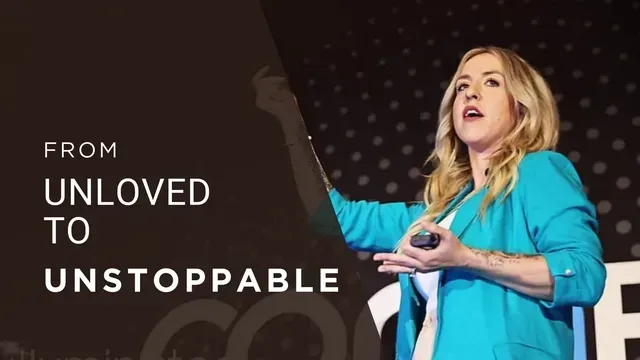
From Unloved to Unstoppable: A Story That Will Shake You, Heal You, and Inspire You

This is a subtitle for your new post

If you’re a CEO, CMO, CFO, or another high-level executive, you’ve likely spent years—if not decades—honing your expertise, making high-stakes decisions, and leading teams through challenges. But have you ever considered that your insights and experiences could be captured in a book that cements your influence, expands your reach, and opens doors you never imagined ? Most executives don’t actively think about writing a book. They assume books are for authors, not leaders. But in reality, a well-positioned book is one of the most powerful assets a C-suite professional can create. Here’s why writing a book is not just a personal milestone—it’s a strategic move that can transform your career, business, and legacy. 1. Your Book is Your Authority-Building Asset In today’s digital-first world, authority matters. Whether you’re looking to establish thought leadership, increase your industry influence, or secure speaking engagements, a book acts as an instant credibility booster . It tells the world: "I am an expert in my field." "I have valuable insights to share." "I am a leader, not just a participant." Executives who publish books often find themselves invited to keynote events, featured in the media, and sought after for consulting opportunities simply because a book positions them as the go-to expert in their space. 2. Stand Out in a Crowded Industry How many professionals in your field have written a book? Chances are, the answer is very few . A book sets you apart in ways that no LinkedIn post, keynote speech, or company blog ever could. It provides a permanent, respected platform that showcases your expertise in a way that feels both authoritative and accessible. In competitive industries, the executives who become authors are the ones who shape the conversation, define trends, and ultimately lead the market . 3. Leverage Your Book for Business Growth A book is not just a credibility tool—it’s also a business multiplier . High-level professionals use books to: ✅ Attract high-value clients and partnerships ✅ Secure advisory board positions ✅ Build personal and corporate brand equity ✅ Open new revenue streams (consulting, speaking, licensing) For example, executives who have published books often report that one speaking engagement or consulting deal pays for the entire cost of writing and publishing —several times over. 4. Future-Proof Your Legacy Every executive eventually faces the question: What will I leave behind? Your book ensures that your insights, leadership philosophies, and business acumen don’t fade when you step away from your role. By writing a book, you create a lasting legacy that influences not just your immediate circle, but also future generations of leaders in your industry . 5. You Don’t Have to Write It Alone The biggest hesitation most executives have is time. "I don’t have time to sit down and write a book." The good news? You don’t have to. With professional publishing support, executives can create a high-quality book through: Ghostwriting & Interview-Based Writing – Provide your insights, and a professional writer turns them into a book. Guided Author Programs – Structured frameworks that make the writing process efficient and manageable. Done-for-You Publishing – Formatting, cover design, and Amazon launch support so your book is positioned for success. You bring the vision , and we handle the execution . Final Thoughts: Your Book is a Business Asset, Not Just a Dream A book is not about being a "writer"—it’s about establishing your authority, influence, and legacy . Whether you’re looking to elevate your leadership profile, create new business opportunities, or leave behind something meaningful , your book is the vehicle to make it happen. So, the question isn’t "Why should I write a book?" The question is "How much opportunity am I leaving on the table by not writing one?" Let’s Talk If you’re an executive, entrepreneur, or industry leader ready to explore how a book can transform your authority and business, let’s have a conversation. I specialize in helping high-level professionals become published authors—without wasting time or getting stuck in the process. 📩 Contact me to discuss!! #ThoughtLeadership #ExecutiveBranding #BookPublishing #AuthorityPositioning #WritePublishImpact